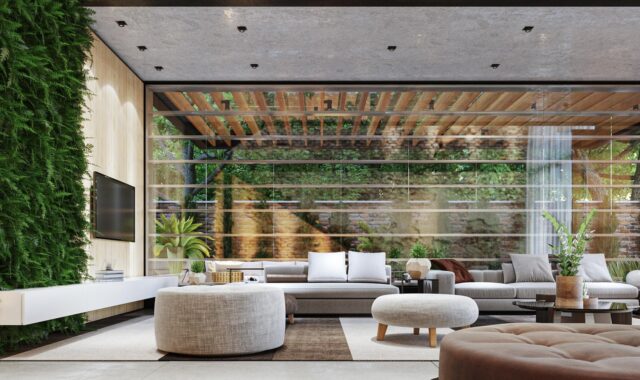
What defines mid century modern furniture and how to use it today
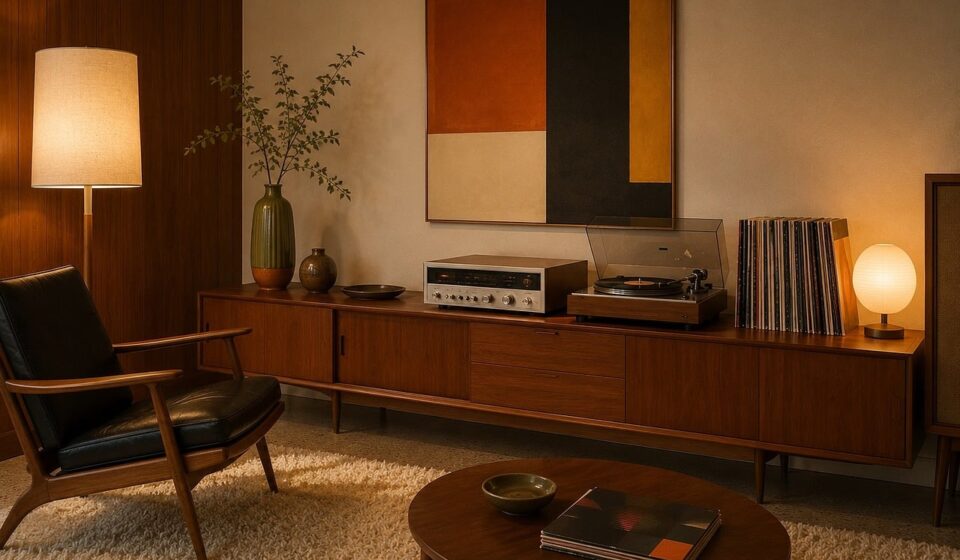
Mid century modern furniture in one practical definition
Mid century modern furniture refers to a group of furniture designs shaped by mid-20th-century modernism, especially the postwar decades when designers worked with clean lines, compact proportions, molded plywood, metal, glass, fiberglass, plastic, leather, wool, teak, walnut, and other honest materials. Its appeal is not simply nostalgia. The style works because it balances warmth with restraint: slim legs lift heavier pieces off the floor, simple silhouettes keep rooms open, and organic curves soften the geometry. For homeowners, interior designers, and furniture buyers, the useful question is not whether a piece looks retro, but whether its form, material, scale, and function follow the design logic of the period.
That distinction matters because the phrase is now used widely in retail, resale, and interior design content. Some pieces are original vintage. Some are licensed reissues. Many others are contemporary furniture inspired by the look. Each category can be valid, but they should not be treated as the same thing.
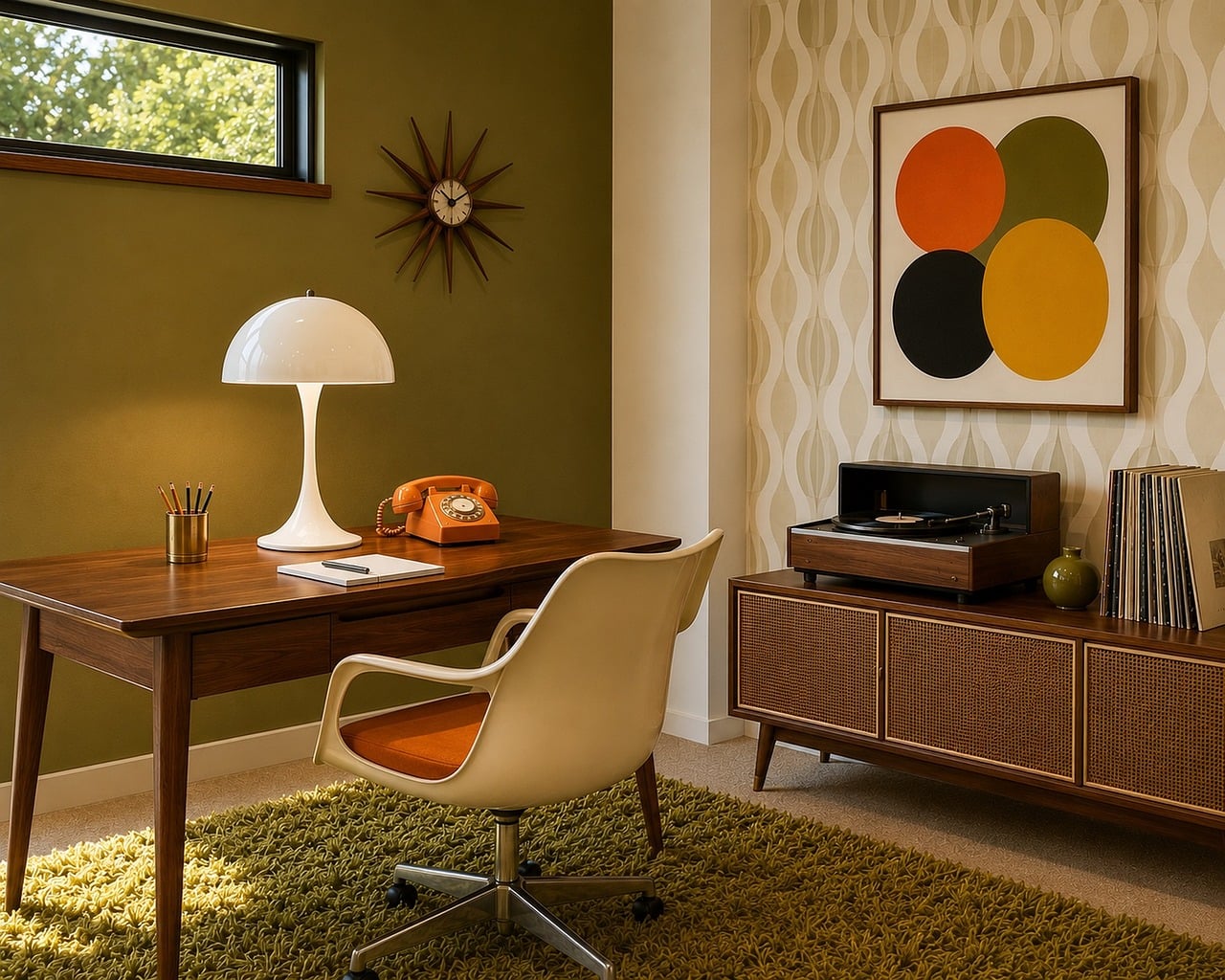
For more furniture design perspectives, visit the FURNITURE DESIGN section.
Where the style came from
The exact boundary of mid century modern is debated, but most design references place its core in the middle decades of the 20th century, with strong momentum after World War II. In furniture, the style absorbed ideas from European modernism, Scandinavian functionalism, American industrial production, and a new interest in casual domestic living. The result was furniture that looked less formal than traditional carved case goods and less severe than some earlier modernist interiors.
The term became widely recognizable through Cara Greenberg’s 1984 book Mid-century Modern: Furniture of the 1950s. The book helped frame 1950s furniture as a collectible and culturally important design category rather than simply old household goods. Museums and manufacturers have since reinforced the category through permanent collections, reissues, and exhibitions.
Several design milestones help explain the movement. MoMA’s design collection identifies Charles and Ray Eames’s 1946 molded plywood chairs as important early examples of postwar furniture experimentation. Herman Miller’s product history records the Eames Lounge Chair and Ottoman as introduced in 1956 and still in production. Knoll’s own history connects the Barcelona Chair to Ludwig Mies van der Rohe’s 1929 German Pavilion and notes that Knoll received production rights in 1953. These examples show why the style is best understood as a design lineage, not just a set of decorative cues.
The design characteristics that matter most
Mid century modern furniture is often summarized as clean lines, but that description is too thin on its own. The strongest pieces usually combine several characteristics at once.
- Reduced forms: The silhouette is clear, with fewer applied ornaments, carved details, or visual distractions.
- Visible structure: Legs, frames, shells, and joinery often become part of the visual design rather than being hidden.
- Human scale: Sofas, lounge chairs, credenzas, and tables tend to sit lower and lighter than many traditional pieces.
- Organic geometry: Curves, kidney shapes, boomerang forms, and soft triangles often appear alongside rectangles and cylinders.
- Material honesty: Wood grain, leather, metal, glass, and molded surfaces are allowed to express their own texture.
- Functional restraint: Storage, seating, and tables are designed to do their job without excess mass.
A practical test is whether the piece would still make visual sense without styling props around it. A simple walnut credenza on tapered legs, a molded shell chair with a clear base, or a low sofa with a long horizontal line can carry a room because the proportions are doing the work.
Materials and construction details to look for
Material choice is central to the style. Wood remains the most familiar reference, especially walnut, teak, rosewood, oak, birch plywood, and other warm-toned species. However, mid century modern furniture was never only about wood. Designers also used tubular steel, aluminum, wire bases, molded fiberglass, early plastics, rubber shock mounts, glass tops, wool upholstery, vinyl, and leather.
The period was marked by experimentation with production methods. Molded plywood allowed designers to create curved seats and backs without relying on heavy upholstery. Metal and wire bases made chairs visually lighter. Plastic and fiberglass shells supported repetition and color at scale. These materials were not decorative afterthoughts; they changed the shapes furniture could take.
For buyers, construction details are more useful than broad labels. On a wood case piece, check for balanced proportions, stable drawers, clean veneer work, and legs that suit the body of the cabinet. On seating, look for a comfortable pitch, a frame that does not wobble, durable upholstery, and dimensions that fit the intended room. A piece can be mid century inspired and still be poorly made. Conversely, a modest vintage piece without a famous designer name can be valuable in a room if its proportions and condition are strong.
Original vintage, licensed reissue, or inspired piece
The market uses the language of mid century modern furniture in several different ways. Understanding the categories helps readers avoid overpaying or mislabeling what they buy.
| Category | What it means | What to check |
|---|---|---|
| Original vintage | A piece made during the original mid-century period or close to it. | Maker marks, labels, dimensions, materials, joinery, patina, repairs, and provenance. |
| Licensed reissue | A current production piece made by an authorized manufacturer or rights holder. | Brand documentation, product specifications, authorized dealer information, stamps, labels, and warranty terms. |
| Contemporary inspired | A new piece that uses mid-century design cues without claiming to be an original design. | Build quality, scale, material durability, ethical marketing language, and whether the price matches the construction. |
| Replica or counterfeit | A piece presented as, or visually copied from, a known design without proper authorization. | Suspiciously low pricing, inaccurate proportions, missing marks, inconsistent hardware, and unclear seller claims. |
This distinction is especially important with iconic designs. A genuine licensed chair or table may have specific markings, dimensions, and production details. A vintage piece may show age in ways that cannot be manufactured convincingly, but age alone does not prove authenticity. When a purchase is expensive, verification should come from documentation, knowledgeable dealers, manufacturer guidance, or independent specialists rather than from a listing title.
How to use mid century modern furniture without making a room feel staged
The easiest mistake is to fill a room only with period-style pieces. That can make a home feel like a showroom or a film set. The style usually works better as a structural layer: one or two strong furniture forms, balanced by contemporary textiles, art, lighting, and practical storage.
Start with scale, not nostalgia
Many mid-century sofas, lounge chairs, and coffee tables sit lower than current mass-market furniture. That lower profile can make a room feel wider, but it can also feel awkward beside very tall sectionals, oversized recliners, or high beds. Measure seat height, table height, depth, and walking space before buying. A beautiful low chair is not useful if it is uncomfortable for the household that will use it every day.
Use wood tone as the anchor
Warm wood is one of the style’s strengths. Walnut, teak, and oak can add depth to white walls, concrete floors, stone surfaces, and neutral upholstery. To avoid a mismatched look, repeat a wood tone at least twice in the room, but do not force every wood surface to match. A walnut credenza can sit comfortably with oak flooring if the other materials create a deliberate palette. See also: BUILDING MATERIALS.
Let one sculptural piece lead
A molded chair, a pedestal table, a tripod lamp, or a long credenza can become the room’s visual focus. Surrounding it with quieter pieces prevents competition. Mid century modern furniture is often strongest when the negative space around it is respected; crowding the room weakens the clean profile that makes the piece appealing.
Mix periods carefully
Mid-century furniture pairs well with contemporary minimalism, Scandinavian interiors, natural stone, handmade ceramics, and even some traditional pieces. The shared principle should be proportion. A carved antique chest can work beside a modern lounge chair if both have strong shapes and similar visual weight. Problems usually arise when every item tries to be the focal point.
Why durability and reuse are part of the conversation
Mid century modern furniture is often discussed as a style, but it also raises a sustainability question. The U.S. Environmental Protection Agency’s durable goods data reported that furniture and furnishings generated 12.1 million tons of municipal solid waste in 2018, with the majority of that sector landfilled. The EPA also notes that its most recent national municipal solid waste figures are from 2018, so the numbers should be understood as the latest available dataset from that program rather than a real-time measure.
This waste context does not mean every vintage piece is automatically sustainable or every new piece is harmful. Transportation, refinishing chemicals, foam replacement, fabric choices, and product lifespan all matter. Still, the design lesson is useful: furniture that can be repaired, reupholstered, refinished, or resold has a different long-term profile from disposable furniture that fails after a short cycle.
When choosing mid century modern furniture, consider how easily a piece can be maintained. Solid wood or quality veneer can often be refinished. Removable cushions can be reupholstered. Standard hardware is easier to repair than proprietary parts. A licensed reissue with available replacement components may outlast a cheaper lookalike. The most responsible choice is often the one that stays useful longest.
Common mistakes when identifying the style
Because the label is popular, it is often applied too broadly. Not every old wooden dresser is mid century modern, and not every tapered leg turns a new cabinet into a convincing design. The following mistakes are common in listings and room planning.
- Confusing mid-century with all vintage furniture: A piece can be from the 1950s or 1960s and still belong to another style, such as traditional, colonial revival, Hollywood Regency, or rustic.
- Ignoring proportions: Thin legs attached to a bulky cabinet can look like a costume rather than integrated design.
- Overusing orange wood: Warm tones are important, but a room filled only with similar brown finishes can feel flat.
- Buying icons without considering comfort: Famous designs still need to suit the user’s body, posture, and daily habits.
- Assuming replicas are equivalent: Similar appearance does not guarantee comparable engineering, licensing, comfort, or longevity.
The better approach is to judge a piece by period, form, material, construction, and context. A room does not need a museum-level collection to feel credible. It needs furniture whose design decisions make sense together.
Frequently asked questions
Is mid century modern furniture still in style?
Yes, but its strongest use today is selective rather than total. A room can feel current when mid-century pieces are combined with contemporary fabrics, natural textures, updated lighting, and practical layouts. The goal is not to recreate a 1950s interior, but to borrow the period’s clarity, warmth, and proportion.
What colors work best with mid century modern furniture?
Neutral walls, warm whites, muted greens, ochre, rust, charcoal, navy, and soft earth tones often work well. Brighter period-inspired colors can be effective in small doses, especially through art, cushions, ceramics, or a single accent chair.
Is teak or walnut better for this style?
Both are closely associated with mid-century furniture. Teak often appears in Scandinavian and Danish-influenced pieces, while walnut is common in American case goods and seating. The better choice depends on the room’s light, flooring, other wood tones, and maintenance expectations.
Can mid century modern furniture work in small apartments?
Often, yes. Raised legs, lower profiles, compact case pieces, and visually open frames can make small rooms feel less crowded. The key is to avoid oversized reproductions and to check actual dimensions, not just the style label.
How can I tell if a piece is authentic?
Start with labels, stamps, construction details, dimensions, materials, seller history, and documented provenance. For expensive designer pieces, compare the item with manufacturer specifications or consult a specialist. A claim in a resale listing is not enough on its own.
The takeaway
Mid century modern furniture endures because it solves practical design problems with visual discipline. It can make rooms feel open without feeling cold, warm without feeling heavy, and distinctive without relying on ornament. The best pieces are not defined by a trend label alone. They show clear proportions, purposeful materials, durable construction, and a relationship between form and function. Whether you choose vintage, licensed reissue, or contemporary inspired furniture, the same standard applies: buy the piece that works for the room, can be maintained, and still looks resolved when the styling is stripped away.