By design furniture and the move toward more intentional homes in 2026
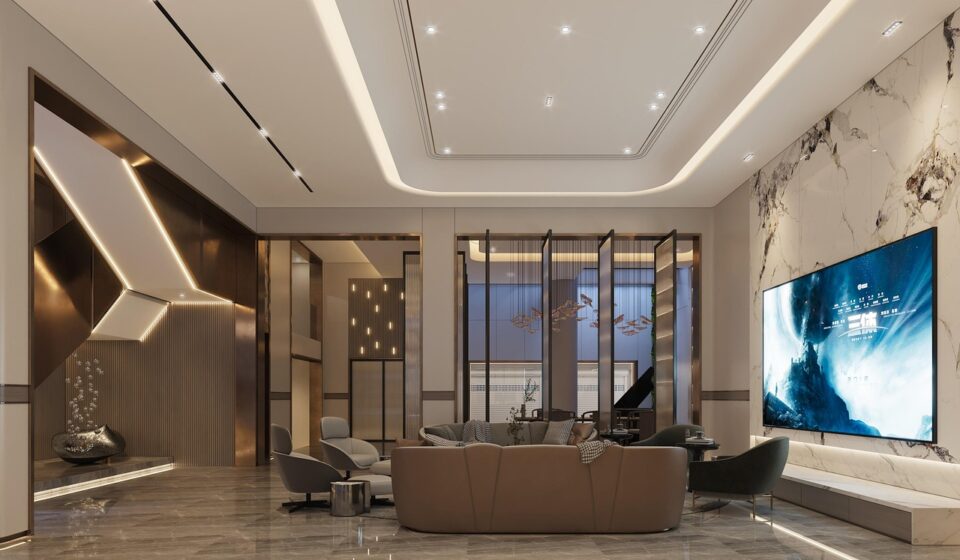
What by design furniture means now
By design furniture is best understood as furniture selected through a design-led process, rather than bought simply because it looks fashionable in a showroom or on a product page. In 2026, that distinction matters. Homes are being asked to support work, rest, entertaining, storage, wellness and personal expression, often within the same room. A design-led approach starts with how people actually live, then tests each piece against scale, materials, flexibility, durability and visual fit.
This does not mean every item has to be custom-made or expensive. It means the buying decision is deliberate. A modular sofa, a solid wood dining table, a storage bed or a curved lounge chair can all qualify when the piece solves a real spatial or lifestyle problem. For more context on how furniture ideas connect with interiors, see the furniture design section.
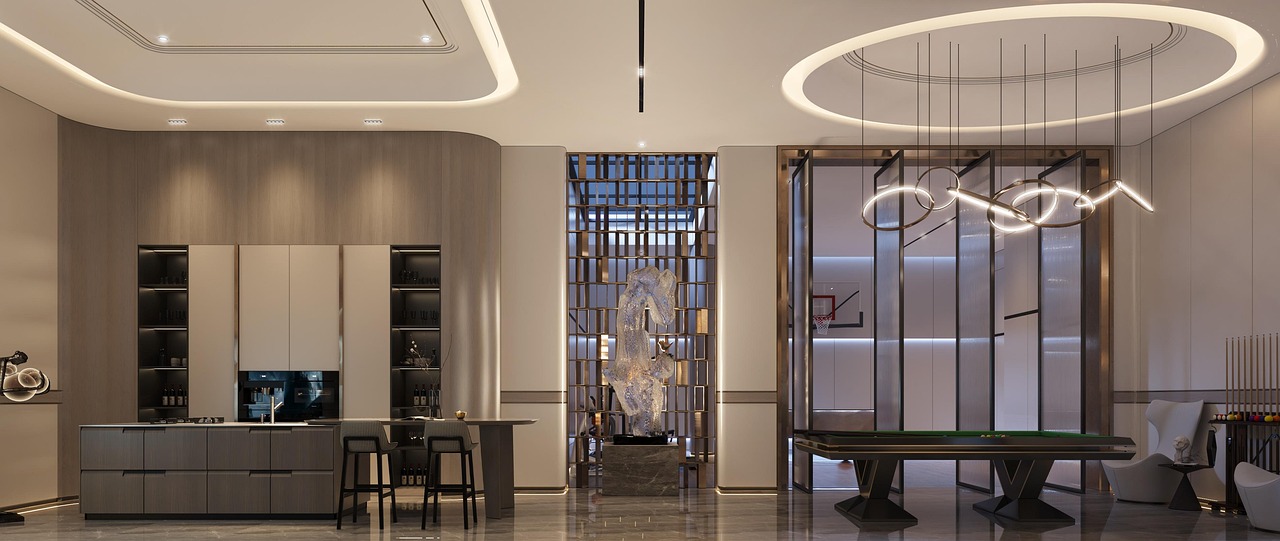
Why furniture choices are becoming more intentional
The American Society of Interior Designers released its 2026 Trends Outlook on January 27, 2026, framing the year around sustainability, adaptive living, technology, economic pressure and the need for more grounded interiors. That context helps explain why furniture is being judged by more than color, silhouette or novelty.
Several forces are pushing buyers toward design-led decisions. Many homes now carry multiple functions. A dining area may also serve as a work surface, homework zone and informal meeting space. Buyers are also more cautious about replacement cycles. A low-cost item that fails quickly is less attractive when compared with a well-scaled, repairable piece that can move between homes or rooms. Wellness has also become more practical than decorative. Seating comfort, material feel, acoustic softness and visual calm all affect how a room performs.
Public trend reporting from High Point Market, Milan Design Week 2026 and major shelter publications points in a similar direction: flexibility, natural materials, softer forms, vintage influence and sustainability are not isolated looks. They reflect how many people want spaces to feel and function over time.
Four signals shaping design-led furniture in 2026
Flexible layouts and modular systems
Modular furniture continues to gain attention because it addresses a practical problem: rooms change faster than traditional furniture plans. A sectional that can be reconfigured, a nesting table set, an expandable dining table or a foldaway workstation gives households more options without requiring a full redesign.
Grand View Research has estimated the global multifunctional furniture market at USD 7.2 billion in 2023, with projected growth through 2030. The forecast should be read as a market estimate, not a guaranteed outcome, but it reflects a visible shift in product development. Furniture is increasingly expected to store, transform, divide, expand or adapt.
Natural materials and warmer surfaces
Wood, stone, woven fibers, leather alternatives, textured fabrics and mixed finishes remain prominent because they help interiors feel layered rather than staged. Reports from 2026 design coverage describe a move away from flat, overly polished rooms and toward spaces that look collected, tactile and lived-in.
This does not mean every room needs the same natural palette. The stronger lesson is material clarity. A buyer should be able to explain why a surface is appropriate: solid wood for repairability, veneer for stability and cost control, performance fabric for family use, or metal for structural strength. Design-led furniture is not anti-trend; it asks whether a material choice supports the way the piece will be used.
Softer shapes and comfort-led forms
Curved sofas, rounded armchairs, oval tables and padded silhouettes continue to appear in 2026 furniture reporting. The reason is not only aesthetic. Softened forms can improve circulation, reduce visual harshness and make compact rooms feel less rigid. In open-plan living areas, rounded furniture can also help define zones without the hard stop of squared-off pieces.
There are limits. Oversized curves can waste floor space in small rooms, and sculptural furniture can become impractical if seat depth, height or fabric performance is ignored. A design-led approach treats curves as one useful tool, not a universal answer.
Longevity, repair and responsible sourcing
Sustainability in furniture is moving beyond vague green language. Buyers and designers are paying closer attention to life span, repair options, certified materials, replaceable components and whether a piece is likely to remain useful after a trend fades. Milan Design Week 2026 coverage, for example, described sustainability less as a niche theme and more as a baseline expectation in many design discussions.
That creates a more demanding standard. A product is not automatically responsible because it has a natural-looking finish or a recycled claim. The stronger questions are practical: Can the frame last? Can the fabric be cleaned or replaced? Are parts available? Is the size flexible enough for future rooms? Will the design still make sense when the current color trend passes?
By design furniture vs trend-led buying
The difference between design-led and trend-led buying is clearest in the decision process. Trend-led buying begins with appearance. Design-led buying begins with purpose, then checks appearance against performance.
| Decision point | Design-led furniture choice | Trend-led furniture choice |
|---|---|---|
| Main question | What problem does this piece solve in the room? | Does this match the look I saw online? |
| Scale | Measured against circulation, doorways and existing pieces | Estimated from photos or showroom impressions |
| Materials | Chosen for use, maintenance and expected life span | Chosen mainly for surface style |
| Flexibility | Can adapt to different layouts or needs | Works only in one highly specific setup |
| Value | Judged by cost per use and longevity | Judged by immediate visual impact |
This comparison does not dismiss trends. Trends can reveal real cultural shifts, including the current preference for warmer rooms, multifunctional furniture and more personal interiors. The risk comes when the trend becomes the entire brief. A room can look current and still perform poorly if the sofa blocks movement, the dining chairs are uncomfortable or the storage piece cannot handle daily use.
How to evaluate a piece before buying
A practical evaluation can prevent expensive mistakes. Before buying any major furniture item, start with the room rather than the product page. See also: BUILDING MATERIALS.
- Measure the real space. Include walking paths, door swings, window positions, outlets, rugs and the clearance needed around tables or seating.
- Define the primary job. A sofa for movie nights, a guest-friendly sleeper sofa and a formal sitting-room sofa should not be evaluated by the same criteria.
- Check material behavior. Ask how the finish handles sunlight, moisture, pets, children, cleaning and long-term wear.
- Look for repairability. Removable covers, replaceable cushions, standard hardware and accessible parts can extend useful life.
- Consider visual longevity. If the frame is expensive, a quieter silhouette may outlast a highly specific trend color or shape.
For larger purchases, a simple floor plan is often more useful than another inspiration image. Mark the intended footprint with tape, then live around it for a day. If the imaginary furniture interrupts movement, blocks storage or crowds another piece, the design problem has not been solved yet.
What this means for designers, retailers and publishers
For designers, the rise of intentional furniture choices rewards clearer explanations. Clients do not only need to know what looks good; they need to understand trade-offs. A designer who can explain why a modular system suits a changing family room, or why a performance textile is better for a sunny breakfast nook, adds measurable value.
For retailers, product pages need to carry more practical information. Dimensions, material composition, care guidance, configuration options, weight limits and replacement-part policies are not secondary details. They are part of the buying decision. As shoppers compare more carefully, vague descriptions such as “premium quality” or “modern comfort” are less persuasive than specific construction and use information.
For publishers and industry observers, the most useful furniture coverage will connect trends with evidence. A list of colors or shapes is helpful only up to a point. Readers also need to know why those choices are appearing, which rooms they suit, what limitations they carry and how long the idea may remain relevant. That is where design journalism can add value beyond visual inspiration.
Common mistakes to avoid
The first mistake is buying for a photograph rather than a floor plan. A dramatic chair may look strong in isolation but fail if it has no relationship to the room’s traffic flow or seating needs.
The second mistake is treating sustainability as a single material label. Bamboo, reclaimed wood, recycled fabric or certified foam can all be part of a better product, but the complete life cycle still matters. A fragile item made from a responsible material may be less sustainable than a durable item that can be repaired and used for many years.
The third mistake is ignoring maintenance. Light upholstery, porous stone, unlacquered metal and textured fabrics can be beautiful, but they require realistic care expectations. Design-led buying is honest about daily life.
The fourth mistake is overmatching. Intentional interiors do not need every wood tone, metal finish and fabric texture to be identical. In many 2026 interiors, the more current direction is layered coordination: related tones, repeated materials and balanced contrast rather than showroom sameness.
Frequently asked questions
Is by design furniture the same as custom furniture?
Not always. Custom furniture can be design-led, but by design furniture can also refer to ready-made pieces chosen through a deliberate process. The key is whether the item fits the room’s function, scale, material needs and long-term use.
What furniture trends are most relevant in 2026?
The most consistent themes in 2026 design reporting are modularity, warmer materials, softer silhouettes, comfort, sustainability and personal character. These trends are strongest when they support real use rather than simply copying a look.
How can I make a furniture purchase feel more timeless?
Prioritize proportion, comfort, construction and material quality before color or novelty. If a piece has a strong frame and a useful shape, it can often be updated later with upholstery, accessories or surrounding finishes.
Does design-led furniture have to cost more?
No. It may cost more upfront in some categories, but the main idea is better decision-making. A modest piece that fits well, stores efficiently and lasts several years can be more design-led than an expensive item bought only for visual impact.
Where should a room plan begin?
Start with the activities the room must support, then map circulation and storage. After that, choose the anchor pieces. This order keeps furniture decisions connected to daily life instead of isolated style preferences.