How home design furniture shapes flexible, wellness-focused interiors in 2026
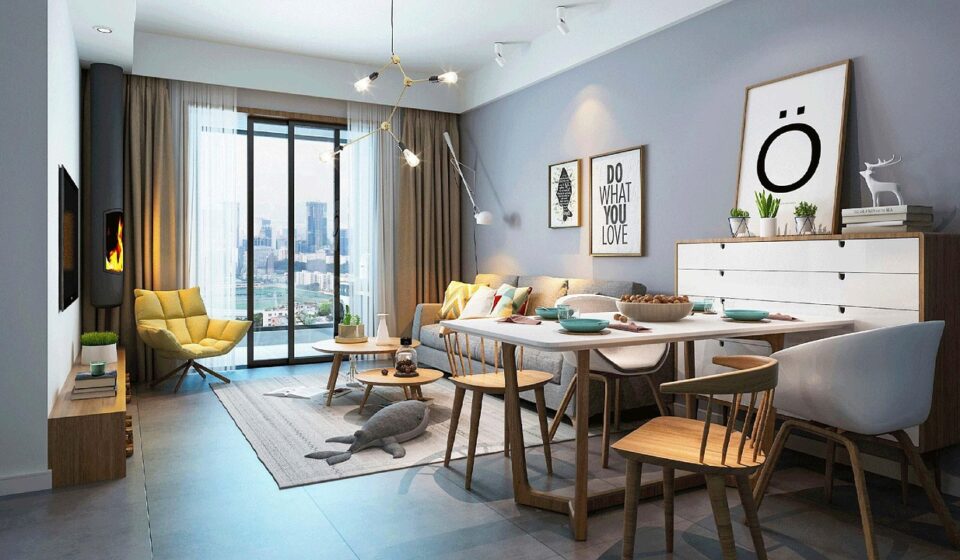
The role of home design furniture in 2026
Home design furniture works best when it is planned as part of the room’s basic operating system, not added at the end as decoration. In 2026, industry reports from ASID, NKBA and Houzz point in a similar direction: homeowners want interiors that feel comfortable, flexible, personal and easier to live with. That does not mean every room needs new furniture or a trend-led makeover. It means the most useful choices are the ones that improve how a home functions day after day, from seating that supports conversation to storage that reduces clutter and materials that can handle real household use.
For readers following furniture planning, layout choices and material trends, the FURNITURE DESIGN section offers related design coverage and ideas.
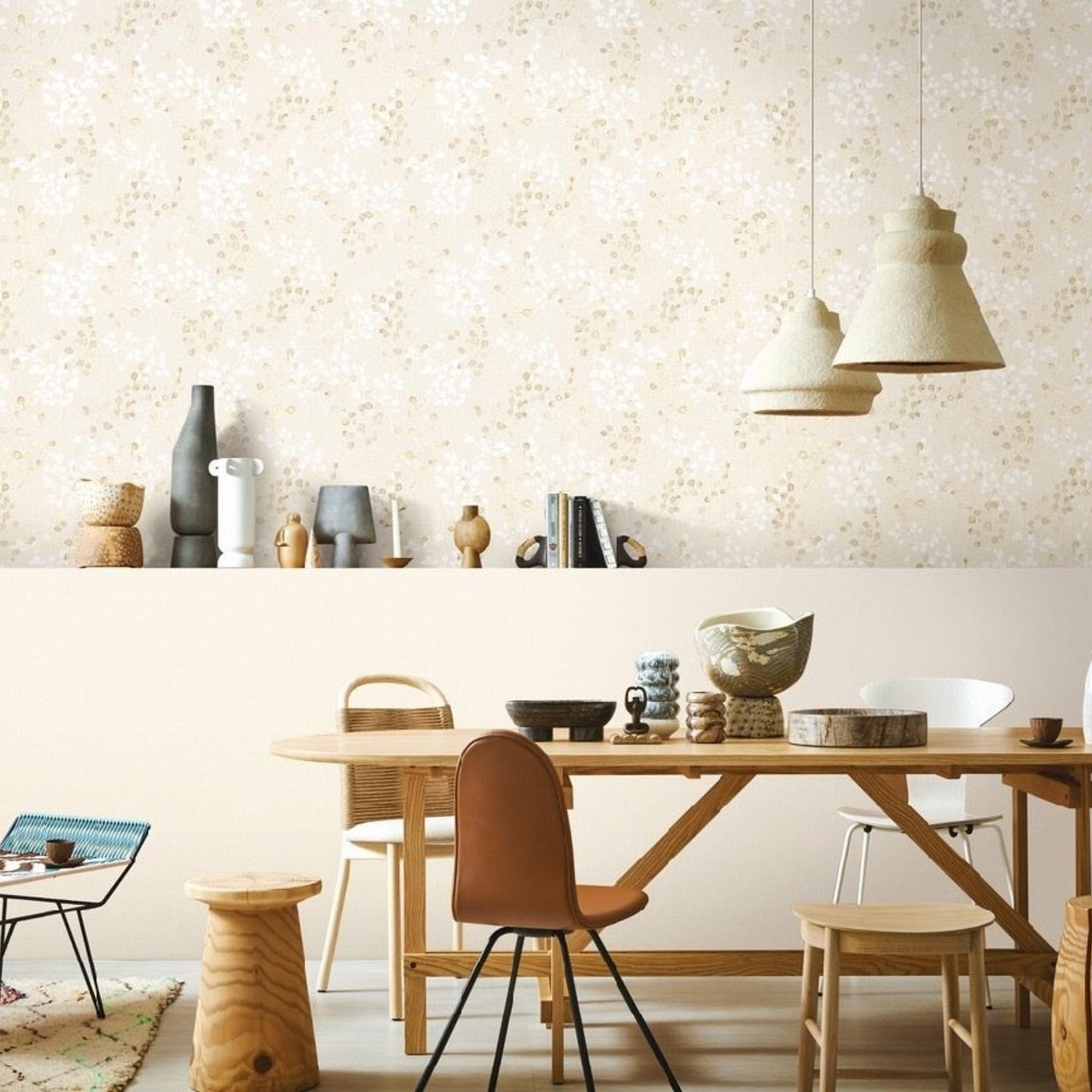
Why furniture now leads the room plan
For years, many interiors were planned around finishes first: wall color, flooring, countertops and decorative accents. Those decisions still matter, but furniture now carries more of the practical design load. A sofa can divide an open-plan space. A dining table can double as a work surface. A bed frame with integrated storage can change how a small bedroom functions. In practical terms, furniture is increasingly responsible for zoning, storage, comfort and visual rhythm.
This shift reflects how homes are being used. Hybrid work, multi-generational households, smaller urban living spaces and a renewed focus on wellness have changed what people expect from their rooms. The American Society of Interior Designers released its 2026 Trends Outlook on January 27, 2026, highlighting social, lifestyle, technology and wellness changes shaping the built environment. Although the report addresses the profession broadly, the implications for furniture are direct: rooms need to adapt as daily routines change.
Furniture also has a lower barrier to change than construction. Moving a sectional, replacing a dining bench, adding a storage wall or choosing a modular shelving system can reshape a room without the cost and disruption of a full renovation. That makes furniture planning especially important in a market where homeowners may be cautious about large remodeling budgets but still want visible, practical improvements.
Start with behavior before style
A strong furniture plan starts with behavior, not a catalog image. Before choosing a style label, homeowners need to look at what actually happens in the room at different times of day. A living room may support television watching, reading, remote work, children’s play and guests. A kitchen corner may shift from breakfast seating to homework to video calls. A bedroom may need to support sleep, storage, dressing and quiet retreat.
Map the main activities
List the top three activities in each room and rank them by frequency. The most frequent activity should get the best location, lighting and furniture comfort. For example, if a dining table is used for work five days a week and for formal dinners twice a month, chair comfort, outlet access and glare control matter as much as its dinner-party appearance.
Protect movement and clearance
Furniture that looks good but blocks circulation will make a room feel smaller and less usable. Walking paths, door swings, drawer access and appliance access should be checked before buying. In a living room, the best layout often keeps a clear route through the room while allowing seats to face each other. In a bedroom, storage furniture should not force awkward movement around the bed. In open spaces, rugs, console tables and sofas can define zones, but they should not become obstacles.
Plan for change
Adaptable homes benefit from furniture that can be moved, expanded or reused. Nesting tables, modular sofas, extendable dining tables, stackable chairs and freestanding storage can respond to seasonal needs, changing family size or a future move. This is not the same as buying generic furniture. The goal is to choose pieces with enough flexibility to remain useful as the home evolves.
Furniture priorities showing up in 2026 interiors
Several current design signals are especially relevant to furniture. They are not rules, and they should not be treated as a checklist. They are better understood as patterns that explain why certain furniture categories are receiving more attention.
| Design signal | What it means for furniture | Planning implication |
|---|---|---|
| Wellness-focused living | Comfortable seating, calming materials, ergonomic work surfaces and better bedroom furniture matter more. | Choose pieces that support posture, rest, sleep quality and low-stress routines, rather than only visual impact. |
| Multifunctional rooms | One room often supports work, relaxation, storage and entertaining. | Use furniture to define zones, hide clutter and switch functions quickly. |
| Softer forms | Curved sofas, rounded tables and wave-like details are appearing across furniture and architectural features. | Use curves where they improve flow or soften a rigid room, not simply because they are fashionable. |
| Personalization | Matching sets are less important than rooms that reflect individual routines and preferences. | Combine new, vintage and custom-feeling pieces through consistent scale, color or material. |
| Sustainability and durability | Longer-lasting pieces, repairable construction and responsible materials are gaining attention. | Look for solid construction, replaceable parts and materials suited to the room’s actual use. |
Houzz’s 2026 U.S. Emerging Summer Trends Report used year-over-year search activity from January to March 2026 and reported rising interest in home gyms, sensory rooms and yoga rooms. Search data does not prove that every homeowner will build a wellness room, but it does show stronger interest in how interiors affect daily physical and mental routines. Furniture choices are central to that shift because they determine whether a space is inviting, usable and easy to maintain.
Materials and construction matter more than labels
Terms such as natural, sustainable, luxury and timeless are common in furniture marketing, but they are not enough to judge quality. A better approach is to look at materials, joinery, finish, repair options and suitability for the room. A delicate surface may be beautiful in a low-use sitting room but frustrating in a kitchen nook with children. A low-cost storage unit may look acceptable at first but fail if it is opened and closed many times a day.
For wood furniture, buyers should distinguish between solid wood, wood veneer, plywood and particleboard. Each can be appropriate depending on price, design and construction quality, but they age differently. Solid wood can often be repaired or refinished, while veneer can offer stability and efficient use of attractive wood surfaces. For upholstered furniture, frame strength, cushion density, fabric abrasion resistance and replaceable covers may matter more than the silhouette alone.
Material selection also affects maintenance. Performance fabrics can help in family rooms, but they should still be evaluated for feel, cleanability and the types of spills they are likely to face. Leather can age beautifully, but it needs the right environment and care. Stone, metal, glass and ceramic surfaces can add texture and durability, but weight, edge safety and cleaning routines should be considered before purchase.
The most practical sustainability decision is often to buy fewer, better-suited pieces that stay in use longer. Vintage and secondhand furniture can also add character while extending product life, but condition, odor, structural stability and dimensions should be checked carefully. A well-made older cabinet may outperform a new lightweight substitute, while an upholstered vintage piece may need professional cleaning or re-covering before it becomes a healthy choice for daily living.
How to make rooms coordinated without making them flat
Many successful interiors look collected rather than matched. Rooms become more interesting when furniture pieces relate to one another without being identical. Coordination can come from scale, repeated materials, color temperature, leg style, upholstery texture or shape. A walnut coffee table, a lighter oak cabinet and a woven chair can work together if their tones are balanced and their proportions make sense. See also: BUILDING MATERIALS.
One useful method is to choose one anchor piece for each major room. In a living room, this may be the sofa. In a dining room, it may be the table. In a bedroom, it may be the bed or wardrobe. After the anchor is selected, supporting pieces should be chosen for contrast and function. A heavy sofa may need lighter side tables. A simple bed may benefit from textured nightstands. A large dining table may need chairs that visually reduce weight.
Color planning should also be realistic. Neutral furniture is popular because it gives a room flexibility, but an all-neutral room can feel unfinished if texture is weak. Boucle, linen, leather, cane, fluted wood, matte metal and stone can introduce depth without relying on loud color. Conversely, a bold chair or lacquered cabinet can work well when surrounding pieces are quieter.
Lighting should be planned with furniture, not after it. The NKBA 2026 Kitchen Trends Report, released on September 18, 2025, noted strong professional interest in under-cabinet lights, interior cabinet lights and pendant lighting. Although that report focuses on kitchens, the wider lesson applies across the home: furniture and lighting are linked. A reading chair needs a lamp at the right height. A display cabinet may need interior light. A dining table needs illumination that flatters people as well as food.
Budget planning and renovation timing
Furniture budgets should be tied to use, not only room size. Spend more on pieces that carry weight, receive daily use or shape the room’s function. Sofas, mattresses, dining chairs, work chairs and storage systems usually deserve more scrutiny than occasional tables or purely decorative pieces. This does not always mean buying the most expensive option. It means allocating money where performance matters most.
Remodeling context matters as well. Harvard’s Joint Center for Housing Studies reported in its 2025 housing improvement research that U.S. home improvement and repair spending rose sharply from 2019 to 2022 and was expected to remain above 600 billion dollars through 2025. That market backdrop helps explain why many homeowners are weighing improvements carefully. Furniture can be a strategic middle ground: it can refresh how a home works while larger renovation plans are delayed, phased or reconsidered.
When a renovation is planned, furniture dimensions should be decided early. Built-ins, outlets, lighting locations, window treatments and traffic paths all depend on furniture placement. Waiting until construction is finished can produce awkward results, such as a sectional that covers an outlet, a dining table that sits off-center from a pendant or a bed that blocks a planned drawer run.
A practical sequence is to measure the room, sketch circulation paths, place major furniture on the plan, then choose lighting and storage around that layout. Even a simple paper plan can prevent costly mistakes. For online purchases, check return policies, delivery access, assembly requirements and packaging dimensions, especially for apartments, staircases and older homes with narrow doors.
Frequently asked questions
What does home design furniture mean?
Home design furniture refers to furniture chosen as part of the overall design and function of a home. It includes style, scale, comfort, materials, storage, circulation and how each piece supports daily routines. The term is broader than decoration because it connects furniture decisions to how a room works.
Should furniture match throughout the whole home?
Furniture does not need to match exactly. A more durable approach is to repeat a few design cues, such as warm wood tones, soft curves, matte black details or natural fabrics, while allowing each room to serve its own purpose. This creates continuity without making the home feel like a showroom set.
What furniture should be bought first for a new room?
Start with the anchor piece that controls layout. In a living room, that is usually the sofa or sectional. In a bedroom, it is often the bed. In a dining space, it is the table. Once the anchor is correctly scaled, smaller pieces can be selected to support movement, storage and balance.
Are 2026 furniture trends worth following?
Trends are useful when they reflect real lifestyle needs, such as better storage, ergonomic comfort, flexible layouts or durable materials. They are less useful when they push a look that does not fit the home. The safest way to use trends is to apply them through adaptable pieces, textiles, lighting and accessories rather than replacing every major item.
How can small homes use furniture more effectively?
Small homes benefit from furniture with clear purpose and careful scale. Choose pieces that offer storage, fold or extend when needed, sit on visible legs to create a sense of openness, or serve more than one function. Avoid filling every wall. Empty space is part of the design because it preserves movement and visual calm.
The practical takeaway
The strongest home design furniture decisions in 2026 are not about chasing a single look. They come from aligning comfort, flexibility, materials and daily behavior. A room becomes more successful when furniture supports how people actually live: where they sit, work, rest, gather, store belongings and move through the space. Trends can provide useful signals, but lasting value comes from scale, construction, adaptability and a clear understanding of the room’s purpose.